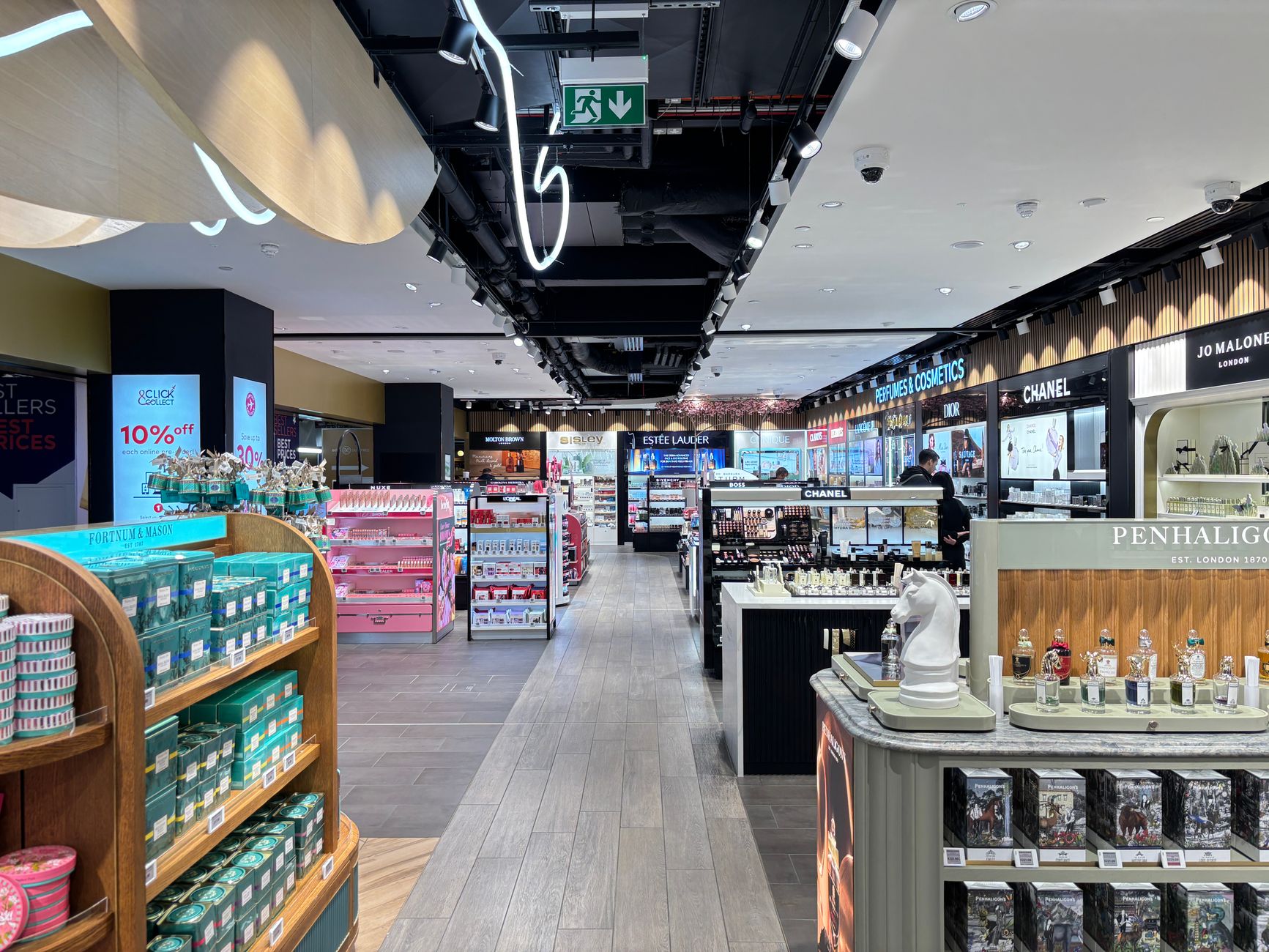
To buy Korean cosmetics in small wholesale lots in the US, your best options include retail liquidation suppliers like Remex Liquidation, domestic K-beauty distributors, and B2B wholesale marketplaces. Remex Liquidation offers manifested beauty pallets sourced from major US retailers, with flexible lot sizes and warehouses in Texas and California serving resellers nationwide.
What Are the Main Sourcing Channels for Small-Lot Korean Cosmetics Wholesale?
Five primary sourcing channels exist for small-lot K-beauty wholesale: retail liquidation suppliers, dedicated K-beauty distributors, B2B wholesale marketplaces, trade shows, and direct brand importers. Each carries distinct trade-offs around minimum order quantities, product transparency, and cost per unit. The global K-beauty products market reached $12.43 billion in 2025 and is projected to grow to $13.24 billion in 2026 (thebusinessresearchcompany.com), signaling that demand-side pressure for small-lot wholesale sourcing will only intensify. Small-lot buyers, those purchasing under one pallet, are chronically underserved by most channels. Traditional distributors require large minimums. B2B marketplaces often lack Korean-specific curation. Liquidation channels fill this gap. They typically yield pricing at 60-80% below MSRP, compared to 30-50% savings from traditional distributors, making them the highest-margin entry point for resellers building a K-beauty business from scratch (pmc.ncbi.nlm.nih.gov).
Retail Liquidation Suppliers
Retail liquidation suppliers source overstock, shelf pulls, and customer returns from retailers such as Target, Ulta, and Amazon, then resell these in lots to wholesale buyers. This channel offers the deepest discounts in the market. At Remex Liquidation, we specialize in manifested beauty lots that disclose SKU, brand, condition grade, unit count, and MSRP for every item in the pallet before you commit to a purchase. Our warehouses in Texas and California allow faster domestic shipping compared to overseas sourcing, and our lot sizes scale from single boxes to full truckloads. The key risks to vet in this channel are expiration date ranges, condition grade accuracy, and whether the manifest reflects inspected or as-received inventory. Sealed retailer overstock clears platform review roughly 90% of the time at $0.50-$3.00 a unit (foundrycro.com), making inspected, sealed lots the most defensible purchase for new buyers.
Dedicated K-Beauty Distributors and Importers
Dedicated K-beauty distributors and importers are a second channel worth understanding in depth, because their pricing structure and MOQ requirements define the competitive floor that liquidation sourcing beats. StyleKorean Wholesale operates US inventory hubs in California and New Jersey, serving retailers, online stores, and domestic wholesalers with brand-new product at traditional wholesale margins. Beauty Box Korea is Korea-based and carries a broad catalog that covers skincare, makeup, and hair care, making it useful for buyers seeking breadth rather than depth in a specific brand. Beautynetkorea typically sets a minimum order of approximately $300 per order, with some products requiring purchase of more than 20 units per SKU (pmc.ncbi.nlm.nih.gov). These minimums are lower than most US cosmetics distributors, but they still require upfront capital commitment to specific SKUs, unlike liquidation lots where the manifest tells you exactly what you are buying at aggregate cost. Lead times from Korean manufacturers average 2-4 weeks when ordering direct, adding working capital risk that domestic liquidation sourcing eliminates entirely.
B2B Wholesale Marketplaces
B2B wholesale marketplaces like Faire, Tundra, and RangeMe connect US retailers with K-beauty brands at wholesale MOQs and occasionally offer net-60 payment terms, which meaningfully improve cash flow for smaller buyers. Liquidation-specific platforms list beauty lots as well, but they rarely curate Korean-specific inventory, and auctions on those platforms require active bidding with less price transparency than a manifested lot. None of these marketplace options match the combination of manifested beauty inventory, flexible lot sizing, and domestic warehouse proximity that a specialized liquidator offers. For a buyer who wants to compare options rigorously, the relevant question is not just price per unit but total landed cost and manifest quality, both of which favor dedicated liquidation suppliers with verifiable chain of custody.
How to Evaluate a Korean Cosmetics Wholesale Supplier Before Buying
Manifest accuracy is the single most important vetting criterion when sourcing beauty lots. A compliant manifest should list SKU, brand, product name, unit count, condition code (New, Like New, Open Box, Damaged), and MSRP per unit. Suppliers who list lots as mystery boxes or unsorted beauty assortments without item-level detail are a red flag. Request sample manifests from at least two to three suppliers before your first purchase, and compare cost-per-unit against total lot MSRP to calculate your margin before committing capital. Verify that the supplier is a registered US business with a physical warehouse address and a track record of reviews from verified buyers. These steps take time. They are worth every minute.
Manifest Transparency: What to Demand in Writing
A quality manifest does more than list products. It gives you the data to model your business before you spend a dollar. Total lot MSRP divided by lot cost tells you your cost-on-the-dollar. MSRP per unit lets you rank SKUs by resale potential. Condition codes tell you what percentage of units are likely to sell at full resale price versus discounted. At Remex Liquidation, our manifested pallets include full SKU-level detail, which means buyers can perform this analysis before purchase rather than after receiving the shipment. For Korean cosmetics specifically, ask whether expiration date ranges are disclosed on the manifest. Products sourced from US retailers have already passed FDA entry review and typically carry more remaining shelf life than gray-market imports sourced directly from overseas closeout channels. Expiry dates can vary by product, ranging from as little as 3 months after opening for mascara to up to 2 years for lipstick (pmc.ncbi.nlm.nih.gov), so knowing product category composition in advance is a practical margin protection tool.
Authenticity and Counterfeit Risk
US retail liquidation inventory originates from licensed retailers, making counterfeits rare compared to gray-market imports. Korean cosmetics sold through unauthorized channels carry real counterfeit risk, especially for high-demand brands like COSRX, Laneige, and Innisfree, which are consistently targeted by overseas counterfeiters. Request chain-of-custody documentation from any supplier: which retailer returned or overstocked the product, and when. The FDA requires imported cosmetics to carry English ingredient lists and FDA-compliant labeling. Liquidation lots sourced from major US retailers typically already satisfy this requirement because the originating retailer completed the import compliance step. Sourcing from a domestic liquidator with verifiable retailer relationships is the most practical authenticity assurance available to small-lot buyers who cannot afford independent lab testing on every purchase.
Regulatory Compliance: The Modernization of Cosmetics Regulation Act
The Modernization of Cosmetics Regulation Act (MoCRA), enacted in 2022 and enforceable since 2024, introduced substantive new obligations for cosmetics sold in the United States. It requires product listing with the FDA, facility registration for manufacturers and processors, and designation of a US responsible person for adverse-event reporting. For wholesale buyers, the practical implication is straightforward: products sourced from licensed US retailers have already passed through a supply chain where MoCRA obligations were fulfilled at the importer or manufacturer level. Buyers who source directly from Korean brands or overseas distributors take on greater compliance exposure, because they may be introducing products that lack complete FDA registration. This is a concrete regulatory reason to prefer domestic liquidation sourcing for Korean cosmetics over direct overseas procurement, particularly for resellers who sell on regulated platforms like Amazon, where compliance documentation can be audited.
What Pricing Should You Expect for Small-Lot Korean Cosmetics Wholesale?
Pricing varies significantly by channel, lot condition, and brand mix. Liquidation lots typically price at 10-30 cents on the dollar of MSRP for mixed beauty pallets, while dedicated K-beauty distributors charge 40-60% of suggested retail for brand-new, full-case orders (pmc.ncbi.nlm.nih.gov). Smaller lots carry a per-unit premium compared to full truckloads due to handling costs, but they reduce upfront capital risk for buyers who have not yet validated sell-through on a specific brand or SKU mix. Gross margin targets for cosmetics resellers generally range from 40-70% (pmc.ncbi.nlm.nih.gov) depending on resale channel. Annual repeat purchase rates for beauty customers run 30 to 45% (circana.com), which means building a loyal customer base amplifies the value of every sourcing decision you make today.
How Lot Size Affects Your Cost Per Unit
Lot size is the primary lever controlling your cost per unit, and understanding this trade-off prevents both over-buying and under-buying. A single case or small lot may cost more per unit but requires less upfront capital, making it the right entry point for buyers testing a new supplier or category. Full pallets spread fixed logistics costs across more units, lowering per-unit landed cost and increasing gross margin on the same resale price. To calculate your break-even resale price, use this formula: (lot cost plus shipping plus platform fees) divided by sellable unit count. In our experience, accounting for real-world handling and quality variance upfront prevents margin disappointment after your first shipment arrives. Remex Liquidation accommodates buyers at every stage, from single small lots to full truckloads, so your sourcing model can scale without changing suppliers.
Shipping and Logistics Costs from US Warehouses
Shipping is a real cost that changes the math on every lot. US truckload spot rates reached $3.83 per mile in 2026 (marketscale.com), and tender rejections climbed to 17.55% in the same period (marketscale.com), meaning freight capacity is tight and quotes should be locked in early. Remex Liquidation's Texas and California warehouses provide coast-to-coast coverage, reducing freight distance for buyers in both the Midwest and the West Coast. Overseas sourcing from Korean suppliers adds 2-4 week lead times plus customs clearance costs, import duties, and FDA entry review delays. Domestic liquidation sourcing avoids all of those costs and timeline risks. Always request a freight quote before finalizing your margin calculation.
Which Korean Cosmetics Brands and Categories Sell Best When Reselling?
Top-performing K-beauty brands in the US resale market include COSRX, Laneige, Innisfree, Missha, The Face Shop, Anua, Round Lab, Biodance, and Medicube. These brands appear consistently across Amazon bestseller lists and TikTok Shop trending sections. Skincare dominates the category, with global K-beauty skincare projected to reach $10.99 billion by 2030 (thebusinessresearchcompany.com). Serums, sheet masks, and moisturizers are the highest-velocity subcategories. Trending themes for 2025-2026 include glass skin routines, SPF-focused products, and tinted skincare hybrids that blur the line between skincare and makeup. Brand-name K-beauty in liquidation lots commands stronger resale prices than generic or off-brand Korean cosmetics. Results speak louder. That math is why K-beauty liquidation attracts experienced resellers who started in general beauty and moved toward Korean brands specifically.
Skincare vs. Makeup: Which Category Has Better Margins?
Skincare and makeup differ meaningfully in resale risk profile, and understanding these differences protects your margins. Korean skincare products carry longer shelf lives than makeup, reducing expiration risk for wholesale buyers who may hold inventory for weeks or months before selling. Makeup items like cushion compacts and BB creams are popular with buyers but have shorter usability windows, making expiration date verification especially critical at purchase. Skincare resale margins are generally more consistent because of strong repeat purchase behavior: beauty customers repurchase at 30 to 45% annually (circana.com), and skincare is the category that drives the most repeat transactions. High-demand skincare SKUs like the COSRX Advanced Snail 96 Mucin Power Essence resell close to full retail even when sourced from liquidation channels, offering some of the strongest margin-on-cost ratios in the beauty category. Makeup is worth including in your assortment, but skincare should anchor your K-beauty wholesale strategy.
How to Start Buying Korean Cosmetics Wholesale in Small Lots Step by Step
Starting with a structured process prevents the common first-buyer mistakes: buying before vetting, underestimating shipping costs, and skipping the math on margins. Here is a concrete framework built for small-lot K-beauty buyers. Step 1: Obtain a resale certificate or seller's permit in your state. Step 2: Define your starting budget, target categories (skincare first, then makeup), and preferred resale platform before contacting any supplier. Step 3: Request manifests from at least two to three suppliers and compare cost per unit, condition grades, and MSRP totals side by side. Step 4: Start with one small lot to validate supplier accuracy and sell-through rate before committing to larger purchases. Step 5: Track per-SKU sell-through industry research Step 6: Build a consistent supply relationship with a reliable liquidator for weekly restocked inventory. This matters. Consistent restocking is what separates a one-time experiment from a scalable business.
What Documents Do You Need to Buy Cosmetics Wholesale?
Documentation requirements vary by supplier and platform, but a baseline set applies almost universally. A resale certificate or seller's permit is required in most US states to buy tax-exempt for resale. Some suppliers require a signed buyer's agreement before releasing manifests. Amazon FBA sellers may need brand authorization or invoices tracing products to authorized distributors for category ungating in the cosmetics section. Korean cosmetics must carry FDA-compliant English labeling; liquidation lots sourced from US retailers typically already meet this requirement because the originating retailer completed the import compliance step under MoCRA. Keep all purchase invoices from your supplier. They serve as your documentation for platform compliance reviews, MoCRA chain-of-custody questions, and any future audit. Buyers who skip this step create liability that is entirely avoidable.
| Sourcing Channel | Typical Price (% of MSRP) | MOQ | Lead Time | Manifest Available | Counterfeit Risk |
|---|---|---|---|---|---|
| Retail Liquidation (Remex) | 10-30% | Single box to pallet | 1-3 days domestic | Yes, SKU-level | Low (US retailer origin) |
| K-Beauty Distributor (US-based) | 40-60% | $300-$2,000 | 3-7 days | Partial | Low |
| Korea-Based Supplier | 40-60% | $300+ / 20+ units | 2-4 weeks | Partial | Medium |
| B2B Marketplace (Faire, Tundra) | 40-55% | Varies by brand | 3-10 days | No | Low to medium |
| Auction Platforms | 15-40% | 1 lot minimum | 3-7 days | Rarely | Medium |
Frequently Asked Questions
What is the minimum order size for buying Korean cosmetics wholesale in the US?
How do I know if Korean cosmetics in a liquidation lot are authentic and not counterfeit?
Are Korean cosmetics from liquidation suppliers near expiration?
Can I buy a single case of Korean cosmetics wholesale without purchasing a full pallet?
What is a manifested pallet and why does it matter for cosmetics wholesale buyers?
Which US states have the best access to Korean cosmetics wholesale suppliers?
How do I calculate my profit margin when buying Korean cosmetics in small wholesale lots?
What resale platforms work best for selling Korean cosmetics bought at wholesale?
Sources & References
- US Truckload Spot Rates Hit All-Time Record in 2026 (opens in a new tab)[industry]
- Beauty Market Research and Industry Data (opens in a new tab)[industry]
- Why ignore expiry dates on cosmetics? A qualitative study of perceived risk and its implications for cosmetics producers and regulators (opens in a new tab)[edu]
- DTC Beauty Marketing Benchmarks 2026 (opens in a new tab)[industry]
- K-Beauty Products Market Size, Share Analysis Report 2026-2030 (opens in a new tab)[industry]
About the Author
Remex Liquidation
Remex Liquidation is a B2B wholesale sourcing partner specializing in discounted cosmetics and beauty pallets from major retailers, offering transparent manifests and fast logistics from Texas and California warehouses.
Learn more at remexliquidation.com → (opens in a new tab)Related Posts
How to Start a Cosmetics Resale Business With Liquidation Inventory
Starting a cosmetics resale business with liquidation inventory is one of the fastest ways to enter the beauty market with high margins and low upfront costs. This guide walks you through sourcing authentic brand-name cosmetics at wholesale prices, evaluating manifests, and scaling your operation from small lots to full truckloads.
11 min read
7 Best Cosmetic Liquidation Companies in 2026: Manifested Beauty Pallets Compared
Finding reliable cosmetic liquidation companies with accurate manifests is one of the biggest challenges for beauty wholesale buyers in 2026. This guide compares seven top US suppliers on inventory transparency, lot sizes, pricing, and logistics so you can source brand-name beauty products with confidence.
14 min read
Beauty Liquidation Pallets for Resale: Are They Worth It and Where to Buy
Beauty liquidation pallets can deliver 50-80% off retail pricing on brand-name cosmetics, making them one of the highest-margin categories in wholesale resale. But not all sources are equal. This guide breaks down what to expect, how to evaluate suppliers, and where to buy with confidence.
12 min read